As a hub for technology, transportation, commerce, and ideas, the UAE is distinguished as a rising player in Artificial Intelligence (AI) and other advanced technology. To harness this potential, the UAE has developed a National Innovation Strategy to encourage transformative work in renewable and clean energy, transportation, technology, education, health, water, and space exploration.
To spur these innovations, the UAE has built state-of-the-art technology accelerators like Abu Dhabi’s Hub71 and Dubai’s Area 2071, designed to help entrepreneurs, investors, academics, and policymakers collaborate. UAE institutions and companies like G42, Mubadala, NYU Abu Dhabi, and the Mohammed Bin Rashid Space Centre are leading international partnerships to explore how advanced technology can assist sustainable development.
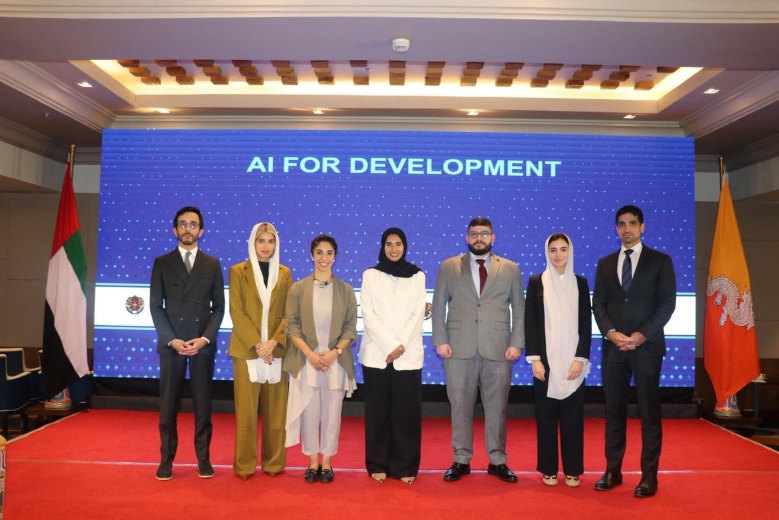
The UAE is committed to leveraging technology for good, with a growing emphasis on partnerships that support sustainable development across the Global South. UAE collaborations on AI span the globe, including initiatives with Bhutan, Rwanda, and Malaysia to explore how AI can accelerate innovation and inclusive growth. In November 2025, the UAE announced a $1 billion initiative to expand AI access and infrastructure across Africa, aiming to empower local communities and drive sustainable development. In July 2025, the UAE signed a landmark agreement with Bhutan to enhance digital cooperation, focusing on AI and digital transformation to support education and economic advancement.
The UAE was also the first in the Middle East region to build a space program, which is deploying satellite observation data to support development projects. In July 2020, the UAE became the first Arab nation to launch a mission to Mars. The Emirates Mars probe – “Al Amal,” or “Hope” – entered the planet’s atmosphere in 2021, the UAE’s 50th anniversary. The Hope probe serves as Mars’ first weather satellite, collecting data to help scientists around the world better understand the planet’s atmospheric changes and climate cycles.
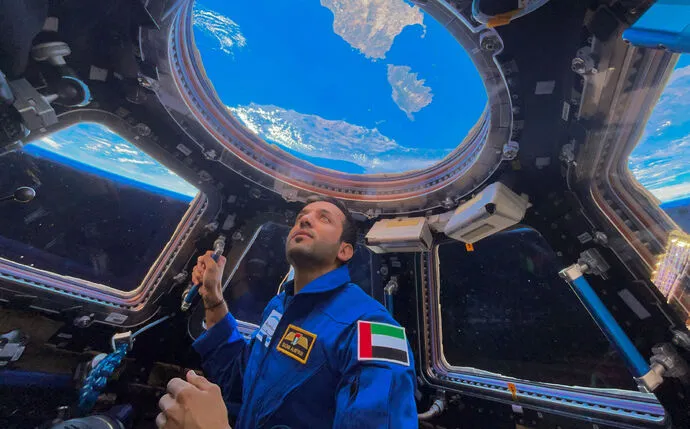
In January 2024, NASA and the Mohammed Bin Rashid Space Centre (MBRSC) announced that the UAE will provide an airlock module for NASA’s Gateway, humanity’s first lunar space station. The ‘Emirates Airlock’ will enable groundbreaking science in deep space and prepare to one day send humanity to Mars. Preparations are also underway for the Emirates Mission to the Asteroid Belt (EMA), a pioneering venture that aims to explore and study multiple asteroids within the main belt, which is scheduled to launch in March 2028.
At the UN, the UAE advocates for the constructive use of digital technologies to positively contribute to global sustainable development, peace, and security. In line with this belief, the UAE championed the establishment of the UN Secretary-General’s High-level Panel on Digital Cooperation. The Secretary-General also organized a High-Level Advisory Body on AI – on which HE Omar Sultan Al Olama, the UAE Minister of State for Artificial Intelligence, Digital Economy, and Remote Work Application, served as a member. This body released its final report in September 2024, including recommendations for AI governance. The UAE is also proactively engaged with the follow up to the Pact for the Future and Global Digital Compact.
Rich in history, art and architecture, cuisine, and natural beauty, the UAE is one of the world’s fastest growing destinations. The UAE is a global convener and a world-class venue for conferences, regional and international exhibitions, and major sports events.
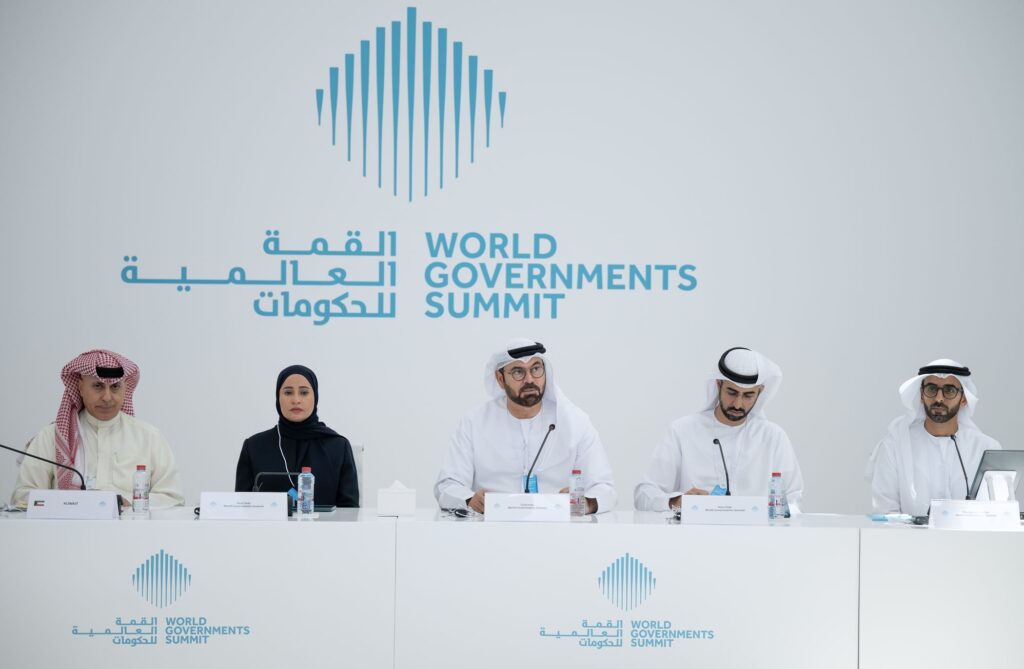
Every year, Dubai hosts the World Government Summit, a global platform exploring how technology and innovation will shape future governments. Abu Dhabi’s Sustainability Week brings together the best minds from policy, technology, and other fields focused on climate change and sustainable development.
From October 2021-March 2022, Expo 2020 was hosted in Dubai — the first-ever World Expo held in the region and one of the most sustainable World Expos to date. Expo 2020 engaged 24 million visitors and featured pavilions from 192 countries.
Stay up to date with what’s going on at the Mission by signing up for our email list below.
